

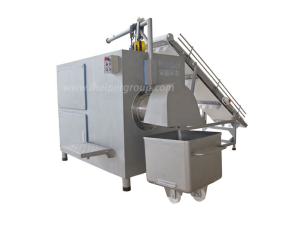
The price of a meat slicer machine is affected by a variety of factors. According to relevant data, it is mainly related to the following aspects:
Motor Performance
Cost is directly influenced by power rating, use of pure copper coils, and operational stability. Commercial models are usually equipped with higher-power motors, making their prices significantly higher than household models.
Body and Structural Design
All-stainless steel bodies, metal frames, and stability designs (such as non-slip bases and low-center-of-gravity structures) improve durability and safety but correspondingly increase costs. In contrast, models with plastic or simple structures are less expensive.
Blade System
Pricing is affected by blade material, sharpness, wear resistance, detachability and replaceability, as well as support for multi-blade configurations.
Functional Configuration
Support for adjustable slicing thickness (e.g., a range of 0.3mm–25mm);
Multifunctional integration (such as combined meat grinding, shredding, dicing, and sausage filling);
Safety protection features (such as emergency stop switches, hand guards, and infrared sensors).
Capacity and Processing Capacity
Commercial models are designed to handle large pieces of frozen meat or high-frequency operation. Their large cutter head diameters (e.g., 12 inches), feed opening sizes, and continuous working capabilities all drive up costs.
Brand Premium
Well-known brands usually command higher prices due to after-sales service, quality control, and R&D investment compared to lesser-known or unbranded products. Imported brands can cost several times more than domestic ones due to tariffs and shipping expenses.
Degree of Automation
CNC automatic slicers may cost several thousand to nearly ten thousand yuan, while manual or semi-automatic models only cost a few hundred yuan.